- On sale!
Delivery in 48/96 hours throughout Europe - Starting from €9.90
38 products
![Box Degustazione Bianchi Sicilia Kebrilla + Taif + Kikè 2025 - Cantine Fina [6 bot]](https://etilika.com/26994-home_default/box-degustazione-bianchi-sicilia-kebrilla-taif-kike-2025-cantine-fina-6-bot-.jpg)





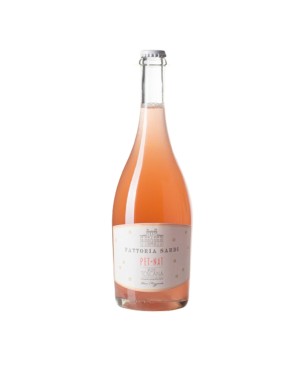

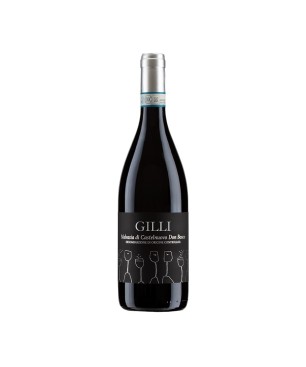


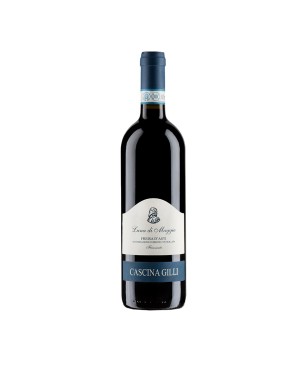
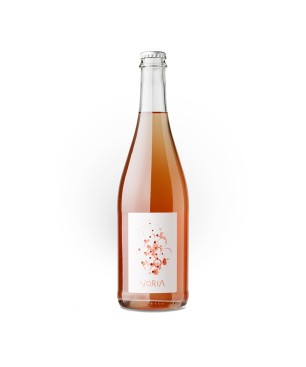
Lightly sparkling and refermented wines express an immediate, convivial way of enjoying wine, yet behind their apparent lightness lie remarkably different regions, grapes and traditions. Their bubbles may be subtle and delicate or more energetic, while the palate may be dry, soft, aromatic or sweet. Whites, reds and rosés gain a distinctive vitality that highlights their fruit and refreshes the palate. This varied category belongs equally at an aperitif and throughout a meal, bringing historic regional styles together with contemporary artisan interpretations.
“Lightly sparkling” describes wine with gentler effervescence than fully sparkling wine. Its bubbles may develop through fermentation in a pressurised tank or through renewed fermentation in the bottle. “Refermented” instead describes the process through which wine develops natural carbon dioxide again. This may take place in a tank or directly inside the bottle, depending on the producer’s method.
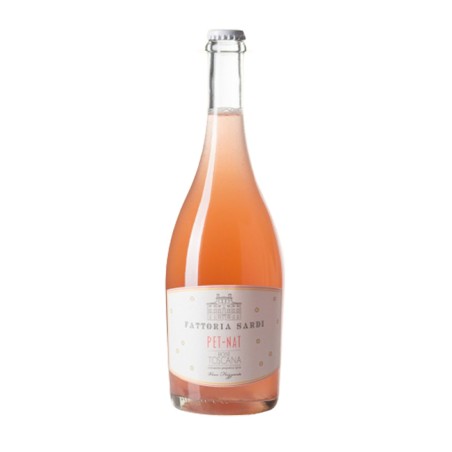
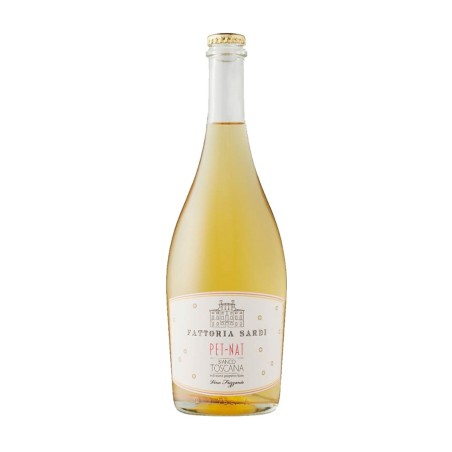
In bottle-refermented wines, yeasts may remain as sediment when the wine is neither disgorged nor filtered, creating the traditional “col fondo” or lees-in-bottle style. Not every refermented wine contains a deposit. Expressions such as ancestral method and Pét-Nat describe related but not always identical practices: fermentation that begins in the must often finishes in the bottle. Consulting the individual product description remains the best way to understand precisely how each wine was made and what to expect in the glass.
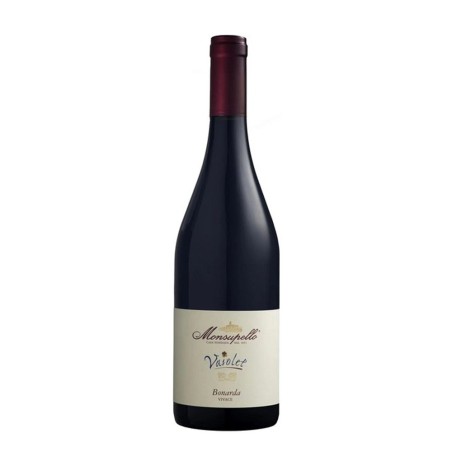
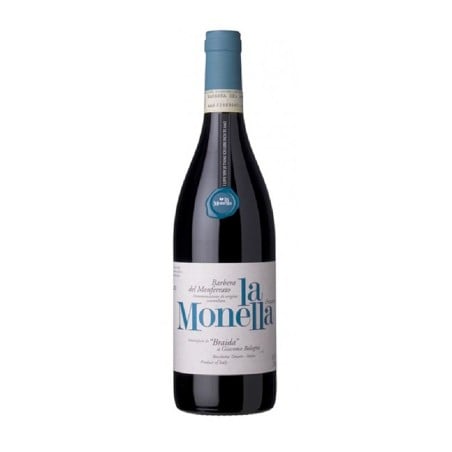
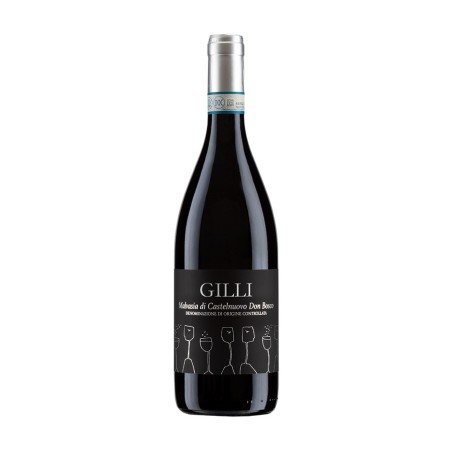
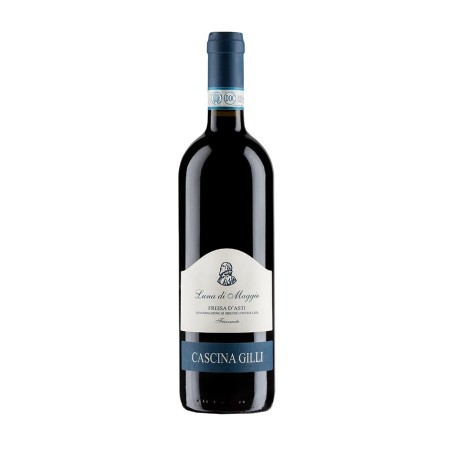
Emilia-Romagna is one of the category’s emblematic regions. Lambrusco and other grapes create fragrant red and rosé wines that may be dry or softer in style. In Lombardy, Bonarda and Croatina offer fruit-forward sparkling reds, while Piedmont contributes Freisa, Barbera and Brachetto, ranging from dry interpretations to aromatic and sweet expressions. In Veneto, Glera also meets the tradition of bottle refermentation and wines left on their lees.
The journey continues with Trebbiano and other white grapes in Abruzzo, Tuscany and Emilia, Vernaccia Nera in Marche, and artisan production in Puglia, Sardinia and Sicily. The selection may include fresh citrus-led whites, floral rosés, juicy reds, Pét-Nats, unfiltered refermented wines and sweet sparkling styles. A gentle haze is not compulsory and does not define the category by itself. Grape variety, residual sugar, the intensity of the bubbles and production method all contribute to the final character.
Freshness and effervescence make these wines especially versatile at the table. Lightly sparkling whites and refermented wines accompany focaccia, fried dishes, vegetables, fresh cheeses, sushi and seafood starters. Lively rosés complement pizza, delicate cured meats, tomato-based pasta and Mediterranean cooking. Lambrusco, Bonarda and other sparkling reds work with Emilia’s charcuterie, filled pasta, ragù, boiled meats and grilled dishes because their bubbles refresh richer mouthfuls. Aromatic or sweet versions, including certain expressions of Brachetto and Vernaccia Nera, can accompany fruit tarts, berries, dry pastries and chocolate desserts.
Consider colour, sweetness and production method. Those seeking a clean and immediate glass can choose a dry sparkling white or rosé. Wine lovers drawn to yeasty aromas and greater texture may explore bottle-refermented wines matured on their lees. Sparkling reds suit a generous, informal table, while aromatic and medium-sweet styles find their place with desserts or cheeses. When sediment is present, pour gently to leave it in the bottle or distribute it with a light movement for a fuller texture, according to the style and the producer’s serving recommendations.
Lightly sparkling wine generally has gentler effervescence and lower pressure. Fully sparkling wine develops a more pronounced mousse and usually more persistent bubbles.
Not always. Pét-Nat commonly describes wine whose initial fermentation finishes in the bottle, whereas a refermented wine may gain its bubbles through a distinct second fermentation.
No. Deposits remain when the yeasts are not removed through filtration or disgorgement. Some refermented wines are therefore clear, while others are naturally hazy.
For a clearer glass, stand the bottle upright and pour slowly. For more texture, gently distribute the deposit when this is consistent with the winery’s recommendations.
![Box Degustazione Bianchi Sicilia Kebrilla + Taif + Kikè 2025 - Cantine Fina [6 bot]](https://etilika.com/26994-medium_default/box-degustazione-bianchi-sicilia-kebrilla-taif-kike-2025-cantine-fina-6-bot-.jpg)