- New
Delivery in 48/96 hours throughout Europe - Starting from €9.90
Buy Rosé Wines from Italy on Sale
95 products


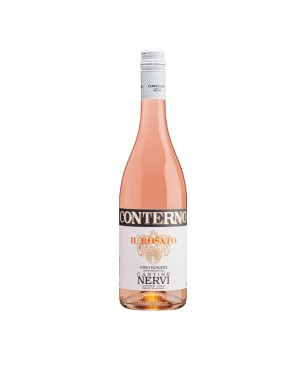




Rosé is not simply a halfway point between white and red wine, but a precise way of interpreting black grapes. Its charm lies in its many nuances: from powder pink to vibrant cherry tones, and from floral delicacy to the depth of a savoury, structured sip. Each bottle reflects the choices made by the producer, the grape variety and the place where it was grown. This diversity makes rosé a category worth exploring at a leisurely pace, guided by personal taste, the food on the table and the pleasure of discovery.
The colour comes mainly from contact between the grape juice and the skins, where pigments, aromas and some of the wine’s structure are found. With direct pressing, the grapes are gently pressed and the juice is separated from the skins quickly, often producing pale, refined and fragrant wines. A short maceration allows longer contact, giving the rosé a deeper colour, more pronounced aromas and greater texture. Another technique is the saignée method, in which some juice is drawn off during red winemaking. Timing and methods vary according to the grape and the desired result, so colour alone does not reveal how light, intense or complex a rosé will be.
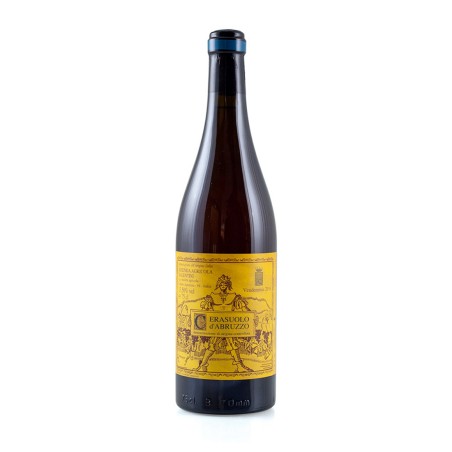
Across Italy, every region gives rosé its own distinctive accent. On the shores of Lake Garda, Valtènesi Chiaretto finds one of its key grapes in Groppello and is often appreciated for its finesse, freshness and delicate floral notes. In Abruzzo, Montepulciano produces Cerasuolo d’Abruzzo, known for its deeper colour and generous character. Puglia offers Mediterranean interpretations through Negroamaro from Salento and Bombino Nero from Castel del Monte, while in Calabria the Gaglioppo grape also shapes Cirò Rosato. Aromas and intensity change from place to place, but a close connection with local food and culture remains.
Alongside fresh, immediately expressive still wines, there are more structured rosés suited to richer dishes, as well as sparkling rosé wines that combine lively freshness with elegance. Some styles focus on citrus fruit, flowers and small red berries; others reveal aromatic herbs, spices, saline notes or a rounder texture. Many are at their most vibrant when young, while more substantial interpretations can develop greater aromatic complexity over time.
Versatility at the table is one of rosé’s most appealing qualities. Light, fresh styles pair naturally with aperitifs, raw seafood, sushi, grain salads and grilled vegetables. A fuller rosé can accompany tomato-based pasta, fish soups, pizza, cured meats and moderately mature cheeses. More intense examples are excellent with seared tuna, white meats, meatballs in tomato sauce or aubergine parmigiana. With aromatic dishes that are spicy without being overly hot, the wine’s freshness creates an enjoyable contrast and makes every sip inviting.
For an aperitif or a summer dinner, look for a lively, aromatic wine with immediate freshness. If the menu includes Mediterranean flavours, sauces, richly flavoured fish or delicate meats, a more intense and structured rosé may be the better choice. Those who enjoy elegant wines can explore floral and citrus-led styles, while anyone seeking a bolder sip may prefer ripe fruit, pronounced savouriness or a gentle tannic texture. Colour can offer a useful clue, but it is never an absolute rule: grape variety, region and winemaking approach remain the most reliable guides.
In most cases, yes. Black grapes are used and the time that the juice spends in contact with the skins is limited. Managed carefully by the producer, this stage helps shape both the colour and the character of the wine.
No. Colour depends on the grape variety and the winemaking choices, while body, intensity and structure are influenced by several factors. A pale rosé can therefore offer a surprisingly rich and satisfying sip.
Many are created to show freshness and fragrance when young. Some more structured bottles can evolve beautifully, developing deeper aromatic nuances over time. The producer’s approach and the character of the individual wine are useful guides.
Rosé should be served cool, but not excessively cold, as a very low temperature can hide its aromas and subtler qualities. Fuller, more structured styles can be enjoyed slightly warmer than light and delicate rosés.