Delivery in 48/96 hours throughout Europe - Starting from €9.90



Unconventional Wines
293 products


- On sale!
- On sale!


- On sale!
- On sale!

- On sale!
- On sale!


- On sale!
- On sale!


- On sale!
- On sale!


- On sale!
![Barolo Riserva Bricco Boschis DOCG Vigna San Giuseppe 2013 - Cavallotto [Doppia Magnum]](https://etilika.com/10058-medium_default/barolo-riserva-bricco-boschis-docg-vigna-san-giuseppe-2013-cavallotto-doppia-magnum.jpg)
![Barolo Riserva Bricco Boschis DOCG Vigna San Giuseppe 2013 - Cavallotto [Doppia Magnum]](https://etilika.com/10058-home_default/barolo-riserva-bricco-boschis-docg-vigna-san-giuseppe-2013-cavallotto-doppia-magnum.jpg)
![Barolo Riserva Bricco Boschis DOCG Vigna San Giuseppe 2013 - Cavallotto [Magnum]](https://etilika.com/10057-home_default/barolo-riserva-bricco-boschis-docg-vigna-san-giuseppe-2013-cavallotto-magnum.jpg)

![Barolo Riserva Bricco Boschis DOCG Vigna San Giuseppe 2013 - Cavallotto [Magnum]](https://etilika.com/10057-medium_default/barolo-riserva-bricco-boschis-docg-vigna-san-giuseppe-2013-cavallotto-magnum.jpg)
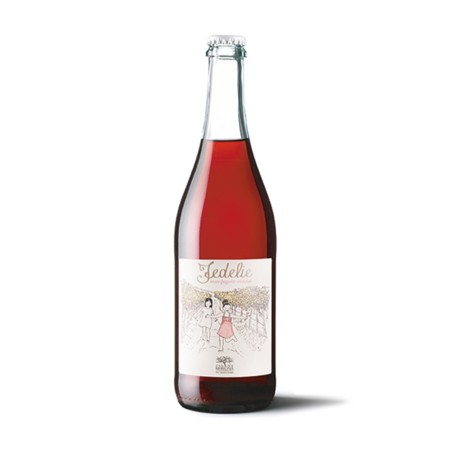
- On sale!
- On sale!
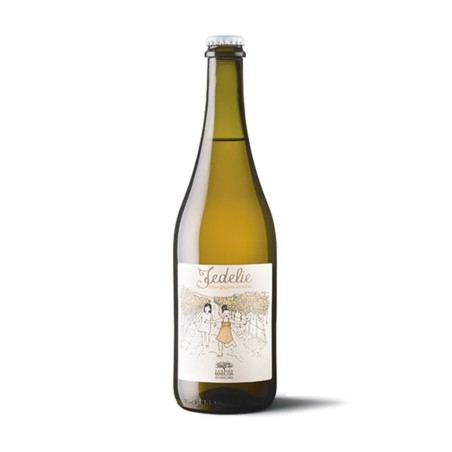
- On sale!
- On sale!
- On sale!
- On sale!


- On sale!


- On sale!
- On sale!


Unconventional wines: beyond familiar paths
A wine may be considered unconventional when it chooses a less familiar route to express itself, recovering old practices, experimenting with different vessels or bringing overlooked grape varieties back into focus. This does not necessarily mean pursuing eccentricity. These wines often emerge from a desire to give greater space to the grape, the place and the producer’s individual sensitivity. In the glass, they may be immediate and fragrant or deep, textural and complex. The category therefore brings together different experiences connected by curiosity and by a personal relationship with the culture of wine.
What makes a wine unconventional
“Unconventional wine” is neither an appellation nor a certification established by law. It is an editorial definition that may embrace different approaches: spontaneous fermentation, skin contact, maturation in amphora or concrete, refermentation in the bottle, low-intervention practices and the recovery of local varieties. Some bottles may come from organic or biodynamic farming, but these descriptions apply only when specifically declared or certified. Similarly, unconventional does not automatically mean natural, unfiltered or made without added sulphites. To understand each wine, it is important to read its description, discover the producer and distinguish the production method from the wider philosophy.
Styles, grapes and regions to rediscover
Italy offers exceptionally rich territory for these interpretations. In Friuli Venezia Giulia and Trentino-Alto Adige, Ribolla Gialla, Vitovska, Nosiola and other varieties may meet extended skin contact or alternative ageing vessels. Emilia-Romagna and Sicily preserve lively traditions of refermented wines and artisan production. Amphorae and neutral vessels are used in Tuscany, Sardinia and on Etna to retain aromatic precision and a strong sense of place. Lazio, Campania and Molise bring attention back to grapes such as Bellone, Cesanese, Catalanesca, Piedirosso and Tintilia.
The selection may include orange wines, transparent and expressive reds, essential whites, rosés, naturally sparkling wines with sediment and international grapes interpreted in unexpected settings. Some offer pristine aromas and an agile palate; others show marked tannins, evolved notes, a gentle haze or deposits resulting from their production choices. There is no single profile: diversity is precisely what holds the category together.
Bringing unconventional wines to the table
The range of styles makes the individual bottle the best starting point. Fresh whites with little skin contact accompany vegetables, fresh cheeses, fish and herb-led pasta, while more structured whites support mushrooms, white meats and spiced cuisine. Refermented sparkling wines are convivial partners for cured meats, fried dishes, pizza and informal meals. Rosés and agile reds find harmony with soups, pulses, tomato-based pasta and delicate meats, whereas more intense expressions call for roasts, game or mature cheeses. Fermented, smoked or richly spiced foods can also create rewarding combinations when balance and intensity remain the guide.
How to choose a wine beyond convention
A helpful way to begin is with a familiar grape or region, experienced through a different approach. White-wine lovers might explore brief skin contact; those seeking spontaneous bubbles can discover refermented wines; red-wine drinkers may choose regional expressions matured in concrete or amphora. Production notes help indicate whether to expect clarity, sediment, tannins or more evolved aromas. A gentle haze is not automatically a fault, just as an unfiltered wine is not necessarily better. What matters is the harmony of the result and the bottle’s ability to communicate a deliberate choice.
Frequently asked questions
Are all unconventional wines natural wines?
No. The category may include natural, organic or biodynamic wines, but also bottles considered unconventional because of their grape, vessel or winemaking technique. Each description should be checked individually.
Do they always contain fewer sulphites?
No. The use and quantity of sulphites depend on the producer and the individual wine. “Unconventional” does not mean “without added sulphites”.
Why do some bottles contain sediment?
Light or no filtration and maturation on the lees may leave a natural haze or deposit. Stand the bottle upright before serving and pour gently if you prefer to leave the sediment behind.
How should these wines be served?
Temperature depends on colour, structure and style. Avoid serving them excessively cold and taste them as they open; some young expressions may benefit from a little air.