- New
- New
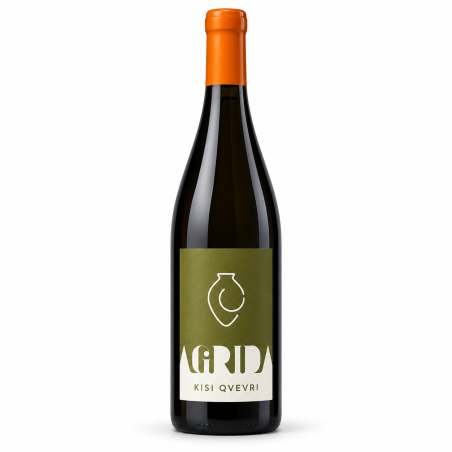
100% Kisi from Kakheti , a dry Georgian white wine by Agrida made using traditional qvevri . The 2019 vintage earned 87 points and a bronze medal at IWSC Georgia 2024 . 750 ml bottle.
€29.65Price
Delivery in 48/96 hours throughout Europe - Starting from €9.90
Buy Orange Wines from Italy
58 products
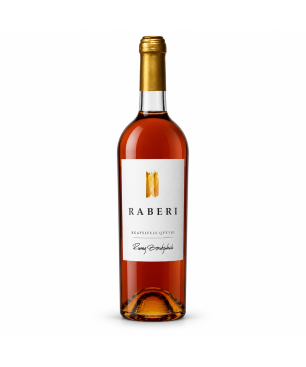
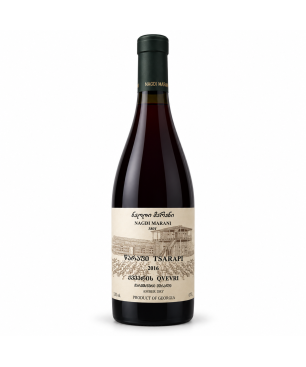
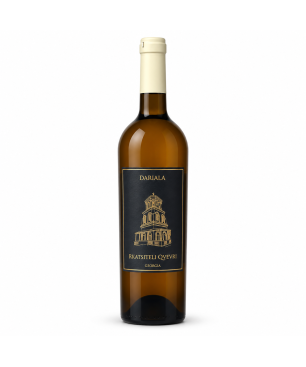

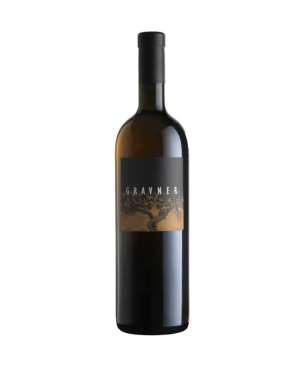
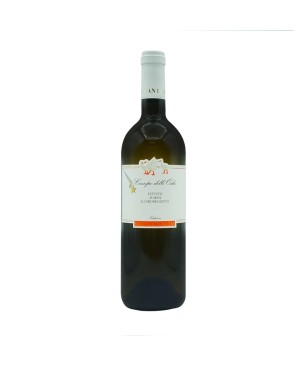
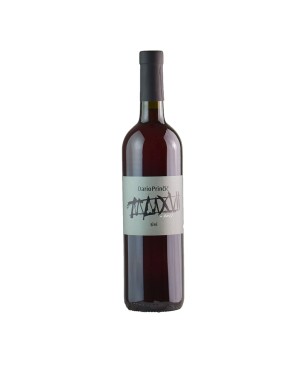
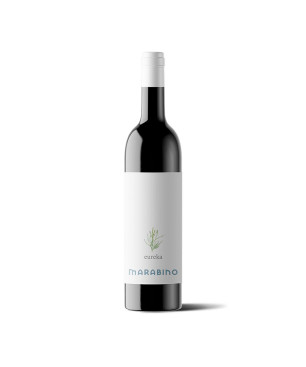

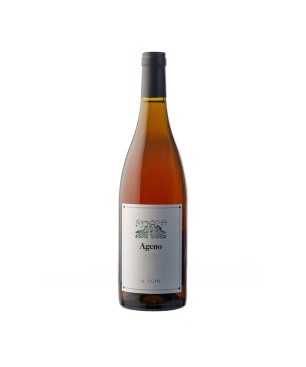
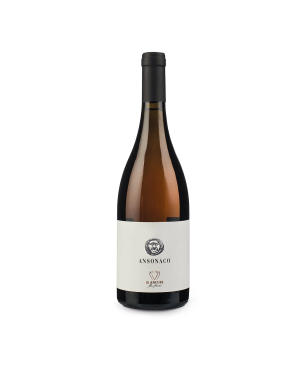
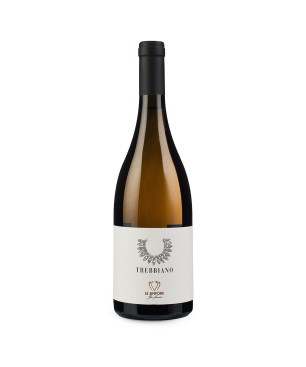
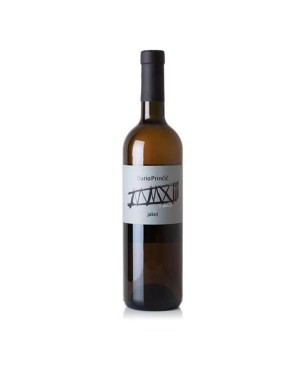

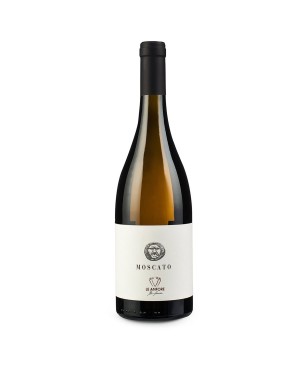

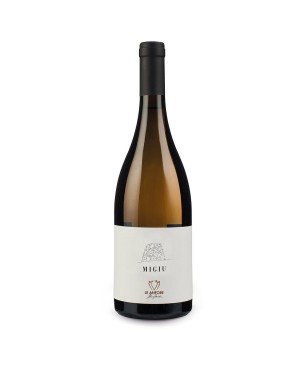
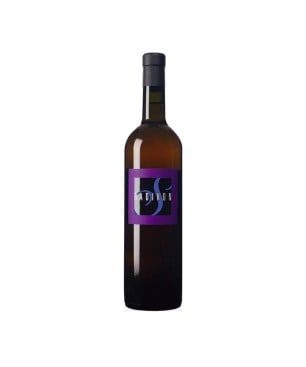
Orange wines are made from white grapes by leaving the juice in contact with the skins, as commonly happens in red winemaking. This meeting can produce colours ranging from deep gold to amber, complex aromas and a more pronounced texture than many whites fermented without their skins. The word “orange” describes a broad family of colours and styles; it does not mean that oranges or other citrus fruits are used. Every bottle takes on a different character according to the grape variety, length of maceration, vessel and choices made by the producer.
During maceration, the skins release pigments, aromatic compounds and polyphenols, including tannins, into the juice. Contact may last only a few days or continue for weeks or months, creating very different results. After fermentation, the wine may mature in steel, wood, concrete, amphora or another vessel. Amphora is therefore one possible production choice, not a requirement for defining an orange wine. Clarity, oxidative character and the presence of sediment also depend on the method adopted. A skin-contact wine is not automatically natural, organic, biodynamic or sulphite-free, as each of these descriptions relates to separate criteria.
Friuli Venezia Giulia, particularly Collio and Carso, is one of the Italian regions most closely associated with the contemporary revival of skin-contact white wines. Ribolla Gialla, Friulano, Malvasia and Vitovska can produce interpretations combining savoury energy, depth and a strong sense of place. In Trentino-Alto Adige, Nosiola, Pinot Bianco and other Alpine varieties offer taut, aromatic profiles. In Emilia-Romagna, Malvasia di Candia and Trebbiano can express energy, structure and an appealing rustic character.
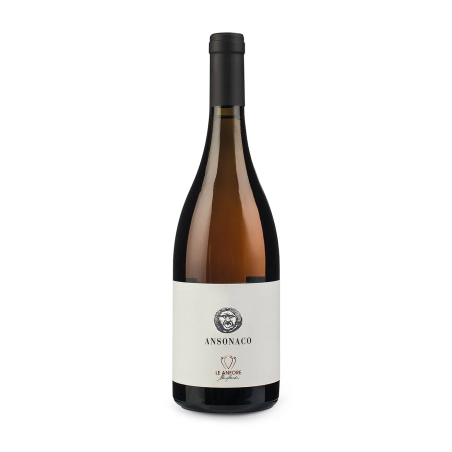
The selection also travels through Tuscany, Marche, Lazio, Veneto and Puglia before reaching Sicily, where Catarratto, Grillo, Grecanico and Insolia bring Mediterranean light, aromatic herbs and saline nuances to the glass. Ansonaco, Verdicchio, Fiano Minutolo and other grapes broaden a geography of highly individual interpretations. Some wines are floral and immediately expressive; others are more tannic, spicy or evolved. Maceration does not impose one single style.
Structure and gentle tannins make many orange wines particularly versatile with food. Fresher styles accompany roasted vegetables, pulses, richly flavoured fish, shellfish and pasta scented with aromatic herbs. More intense wines find harmony with white meats, spiced cuisine, mature cheeses, cured meats and dishes featuring smoky or fermented flavours. They can be surprising partners for mushroom pasta, saffron risotto, spiced chicken or salt cod. Pairing should follow the personality of the individual wine: colour and category alone are not enough, as body, tannin and aromatic profile can change considerably from one bottle to another.
Anyone approaching the style for the first time might begin with a shorter maceration, a fragrant profile and a delicate tannic texture. Those who enjoy more assertive wines can explore prolonged skin contact, longer maturation or grape varieties with a distinctive personality. The producer’s description helps explain the vessel, length of maceration and intended style, while the region remains a valuable guide. Grapes from Friuli and the Carso often express tension and savoury character, whereas Mediterranean varieties may reveal ripe fruit, herbs and greater breadth. Serve them cool but not excessively cold to appreciate their aromas, texture and continuing evolution in the glass.
No. They are made from white grapes vinified in contact with their skins. The term refers to the golden, copper or amber shades that the wine may develop.
The main difference is skin contact. With conventional whites, the juice is generally separated early; in orange wines, maceration contributes colour, texture, aromas and tannins.
No. Maceration is a winemaking technique, while natural, organic and biodynamic describe different approaches or requirements. These details should be checked for each individual bottle.
Some young, structured wines may benefit from aeration, while mature bottles require greater care. Taste the wine first and follow the way it opens and changes in the glass.