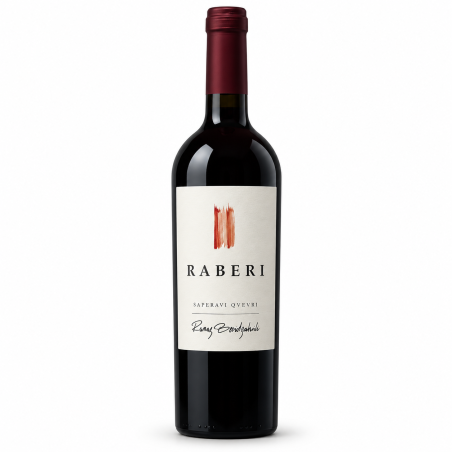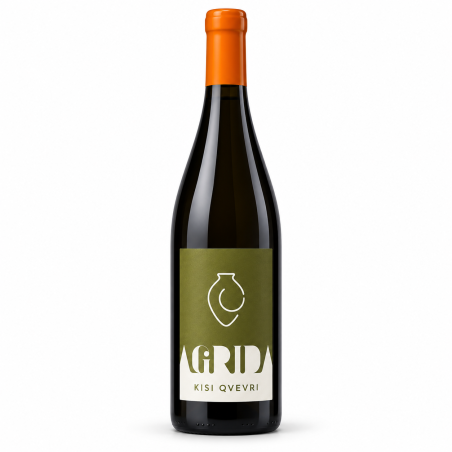
- New
- New
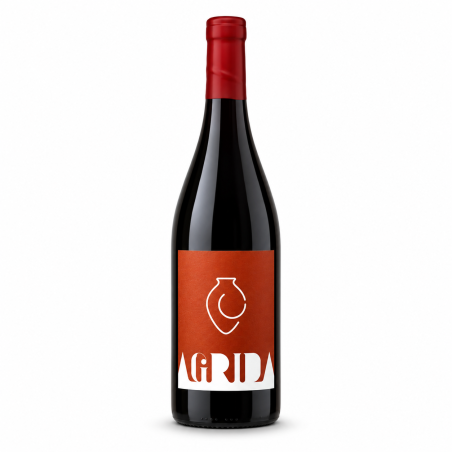
100% Kisi from Kakheti , a dry Georgian white wine by Agrida made using traditional qvevri . The 2019 vintage earned 87 points and a bronze medal at IWSC Georgia 2024 . 750 ml bottle.
€29.65Price
Delivery in 48/96 hours throughout Europe - Starting from €9.90
A tradition going back about eight thousand years, a method recognised by UNESCO and grapes found nowhere else: Georgian wines come from the Caucasus with an unmistakable character. Golden or amber whites and reds of an almost inky colour, often born in qvevri, the buried clay amphorae. Some are fresh and bright, others deeper and spicier, all able to surprise even those who know wine well. A journey to share at the table, to be enjoyed slowly.
10 products
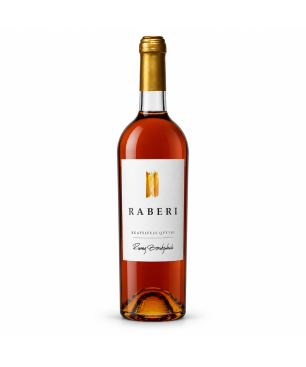
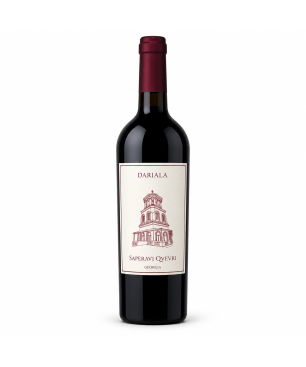
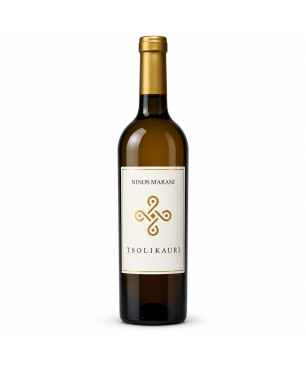
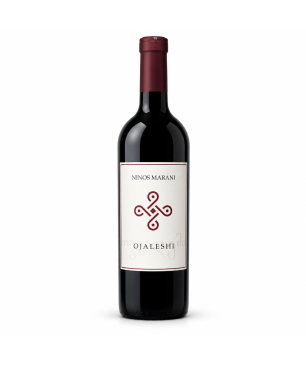
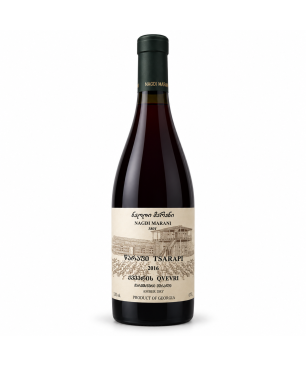
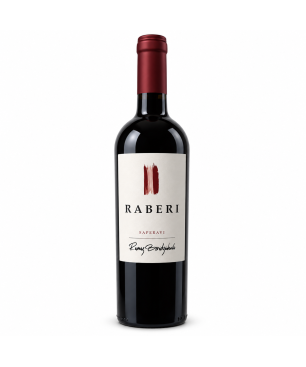
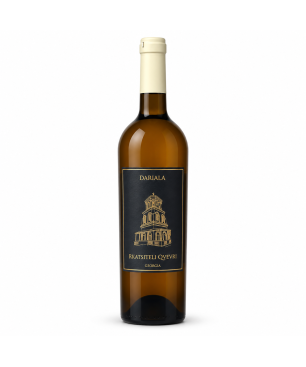
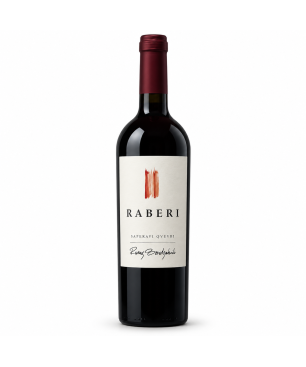
Georgia, the Caucasus country between the Black Sea and the Caspian Sea, has one of the oldest wine histories in the world: the earliest known evidence of winemaking, found on fragments of Neolithic jars, dates back about eight thousand years. In 2013 UNESCO recognised the traditional Georgian qvevri method as intangible cultural heritage of humanity. This category brings together whites and reds that carry that continuity forward, with native grapes and a style often far from what we are used to.
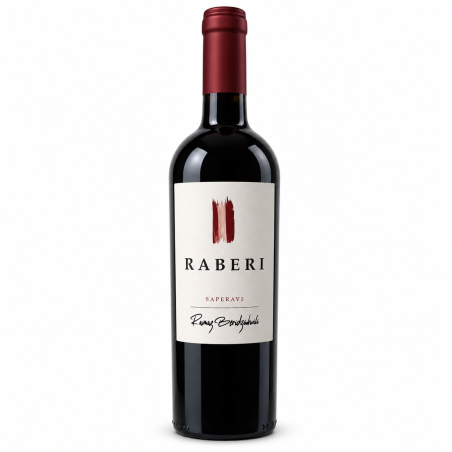
In the east, in Kakheti, most Georgian wine is made. Here Rkatsiteli, the most planted white grape in the country, and Saperavi, the red symbol of Georgia, are at home: Saperavi has red flesh as well as dark skin and gives wines of an almost inky colour and lively acidity. In the west, in Imereti, Tsolikouri dominates and smaller qvevri are used, generally without stems, for fresher and softer wines. Among the appellations you will meet Tsinandali for whites, Mukuzani and Napareuli for dry reds, Kindzmarauli and Khvanchkara for semi sweet reds.
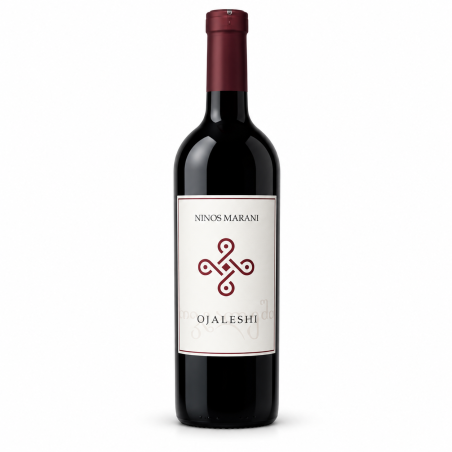
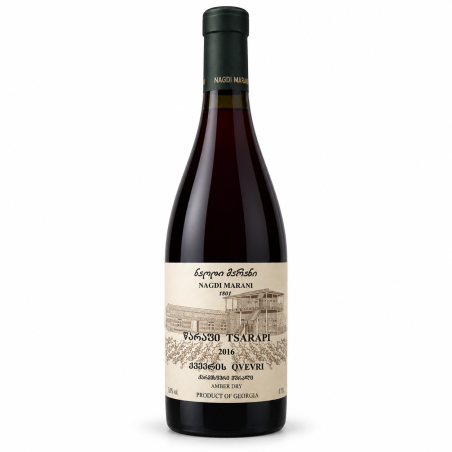
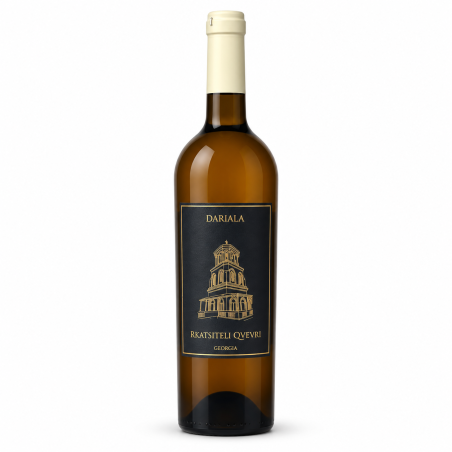
The qvevri is an egg shaped clay amphora, buried in the ground, where crushed grapes often ferment with skins, seeds and stems. In whites, skin contact gives a golden or amber colour, light tannin and more intense aromas: this is what people call orange wine. Rkatsiteli and Mtsvane make spicy, herbal amber wines, Kisi is softer, and the rare Khikhvi is floral and honeyed. Among the reds, Saperavi made in a classic way is juicy and immediate, the qvevri version deeper and spicier, while Ojaleshi from Samegrelo is more delicate. Not every Georgian wine is skin macerated: there are also versions made in a more classic way.
Georgian cuisine is a valuable guide: khachapuri, cheese filled bread, pkhali, bites of vegetables and walnuts, mtsvadi, skewers of grilled meat, and khinkali, dumplings filled with meat and broth. Amber wines love flavourful food, while the acidity of Saperavi lightens richer dishes. In Italy they work with aged cheeses, mushrooms, roasted vegetables, braised meats, lamb and grills. Serve whites chilled but not iced and reds without warming them too much.
For a first encounter, a white from Imereti such as Tsolikouri or a classic style Saperavi are the most immediate choices. Those looking for the most authentic character of the tradition will find in qvevri an amber that is spicy, or a red that is deep and structured. Kisi, Mtsvane, Khikhvi and Ojaleshi are for those who love rarities. On the product sheet, check whether the wine had skin maceration and whether it is dry or semi sweet.
It is the large buried clay jar in which many Georgian wines ferment and mature. The traditional method has been UNESCO intangible cultural heritage since 2013.
No. They turn amber when they ferment in contact with the skins, as usually happens in qvevri, but there are also whites made in a more classic way.
It is the red grape that symbolises Georgia. It has red flesh, so it gives deeply coloured wines with lively acidity and good ageing ability.
Many are dry. There are, however, semi sweet appellations such as Kindzmarauli and Khvanchkara: it is worth checking the product sheet.