





€24.70Price
- New
- On sale!
Delivery in 48/96 hours throughout Europe - Starting from €9.90
The wines of Veneto reflect the richness of a region with hills, lakes, and fertile plains. The famous Amarone della Valpolicella DOCG, an intense and structured red, is joined by fresh and aromatic whites like Prosecco DOC and Soave DOC, showcasing the variety and elegance of the Veneto territory. Every glass reflects picturesque landscapes, centuries-old traditions, and the winemaking passion of one of Italy’s most renowned wine regions.
Want to experience Veneto through tastings, winery visits, and food & wine tours? Discover all the enogastronomic experiences in Veneto [at this link].
156 products

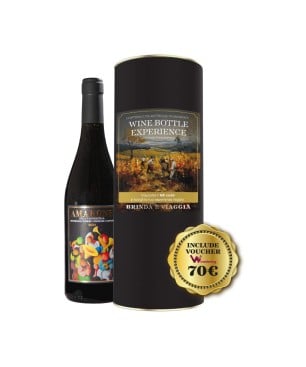


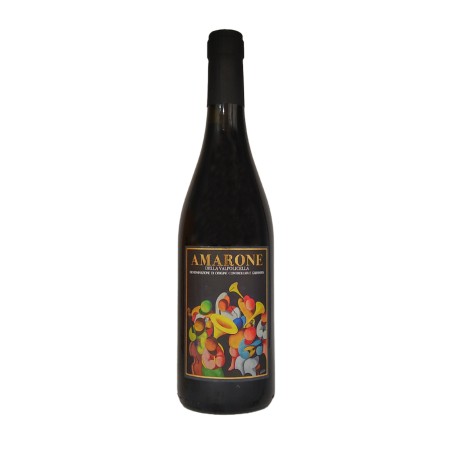
![Amarone della Valpolicella DOCG Santico 2020 - Santi [Astucciato]](https://etilika.com/26467-home_default/amarone-della-valpolicella-docg-santico-2020-santi-astucciato-.jpg)
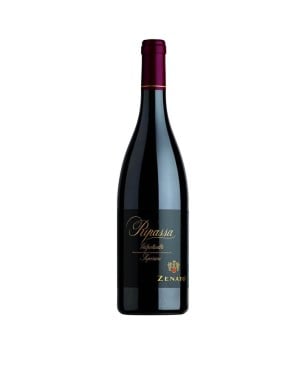
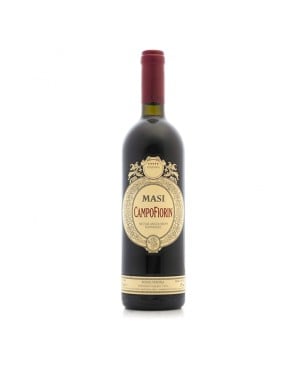

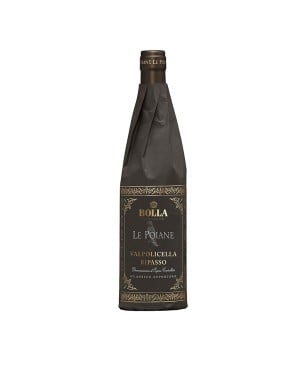
![Elvio Cogno Tasting Box [Box 2 bottles]](https://etilika.com/25280-home_default/elvio-cogno-tasting-box-box-2-bottles-.jpg)



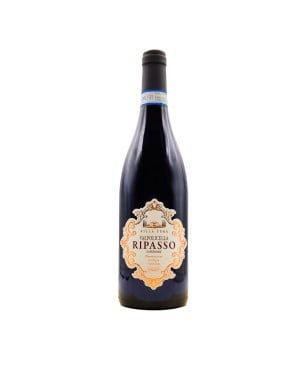
![Valpolicella Ripasso DOC Valpantena 2022 - Bertani [Magnum,Cassetta di Legno]](https://etilika.com/26533-home_default/valpolicella-doc-valpantena-2022-bertani-magnum-astucciato-.jpg)
Veneto is one of Italy's most prolific regions for red wine, offering completely different styles within just a few dozen kilometres. From the hills of Valpolicella, a stone's throw from Lake Garda, comes one of Italy's most original wine families, built around a single technique, grape drying, able to turn the same vineyard into radically different products in style and intensity.
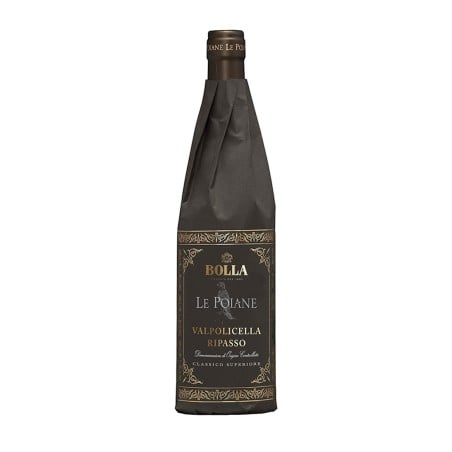
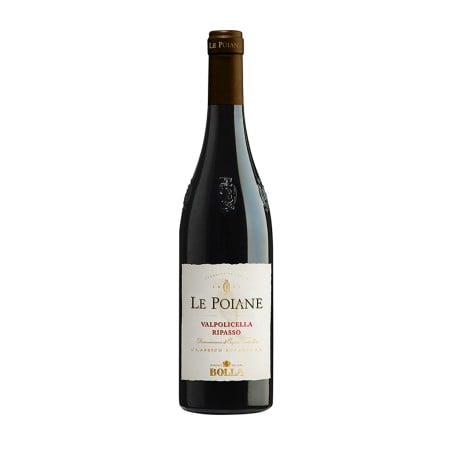
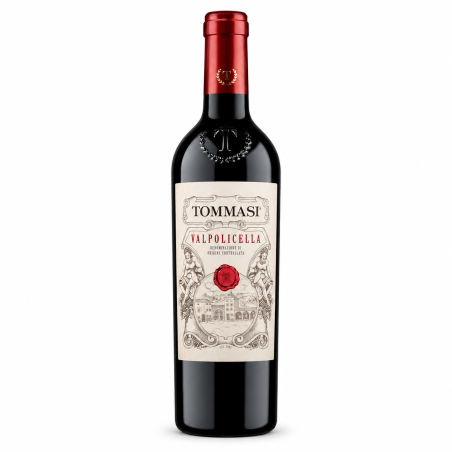
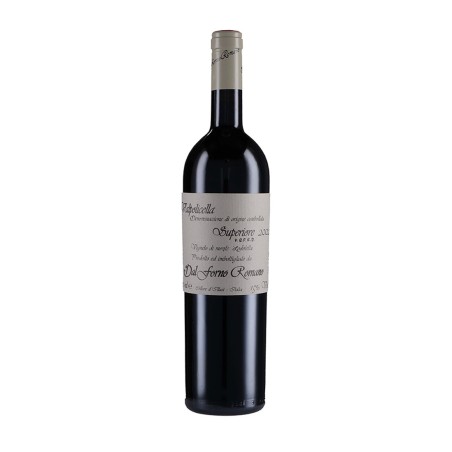
Valpolicella, between Verona and Lake Garda, is based on a blend of Corvina, Corvinone, and Rondinella. In its base version it offers a light, fruity red, but the territory's real distinctiveness lies in the drying process: the best grapes are left to dry for months on racks, losing water and concentrating sugars and aromas. This process gives rise to Amarone della Valpolicella, a dry, alcoholic, enveloping wine, and Recioto della Valpolicella, its sweeter and older counterpart. Ripasso, meanwhile, gains its structure by re-fermenting the base wine on Amarone's leftover skins, a process that gives it a character somewhere between a classic Valpolicella and an Amarone. Not far away, on the shores of Lake Garda, the Bardolino denomination uses a similar blend to produce lighter, more easy-drinking reds.
Bardolino and base Valpolicella represent the most immediate, fresh, low-tannin style, made for everyday drinking. Ripasso raises the level of structure and alcoholic warmth while remaining a relatively accessible wine. Amarone represents the peak of concentration, with a full body, notes of dried fruit and spice, and an alcohol content often above 15%. Recioto, sweet and made from dried grapes, closes the circle with a completely different register, better suited to quiet sipping than classic food pairing.
Bardolino and young Valpolicella lightly accompany cured meats, first courses, and everyday Venetian cuisine. The more structured Ripasso pairs well with grilled red meats and semi-aged cheeses. Amarone deserves important dishes, such as braises, game, or a risotto made with Amarone itself, able to stand up to its intensity. Recioto, finally, suits an end-of-meal moment with blue cheeses or dark chocolate.
For an everyday meal, a Valpolicella or a Bardolino remain the most natural choices. For an occasion calling for more structure without sacrificing drinkability, Ripasso offers a good compromise. Anyone seeking an intense experience to be savoured slowly will find their label in Amarone. For an original end to a meal, Recioto della Valpolicella offers a sweet, enveloping finish.
Amarone is made entirely from grapes dried for months, while Ripasso is a base wine re-fermented on Amarone's leftover skins: the result is a wine more structured than a normal Valpolicella but less concentrated than a true Amarone.
No, they share the same grape-drying process, but Recioto retains some residual sugar, making it sweet, while Amarone is fermented until the sugars are exhausted, resulting in a dry wine.
Drying concentrates the sugars in the grape, which fermentation turns into alcohol: the result is a wine that easily exceeds 15%, while still keeping balance thanks to its overall structure.
Yes, both are based mainly on Corvina, Corvinone, and Rondinella, but they come from different areas, and Bardolino, produced near Lake Garda, generally gives lighter wines.





![Amarone della Valpolicella DOCG Santico 2020 - Santi [Astucciato]](https://etilika.com/26467-medium_default/amarone-della-valpolicella-docg-santico-2020-santi-astucciato-.jpg)



![Elvio Cogno Tasting Box [Box 2 bottles]](https://etilika.com/25280-medium_default/elvio-cogno-tasting-box-box-2-bottles-.jpg)



![Valpolicella Ripasso DOC Valpantena 2022 - Bertani [Magnum,Cassetta di Legno]](https://etilika.com/26533-medium_default/valpolicella-doc-valpantena-2022-bertani-magnum-astucciato-.jpg)