




- New
Delivery in 48/96 hours throughout Europe - Starting from €9.90
19 products





![Pomerol AOC Chateau Petrus 2019 - Chateau Petrus [Cassa di legno]](https://etilika.com/19457-home_default/pomerol-aoc-chateau-petrus-2019-chateau-petrus-cassa-di-legno-.jpg)

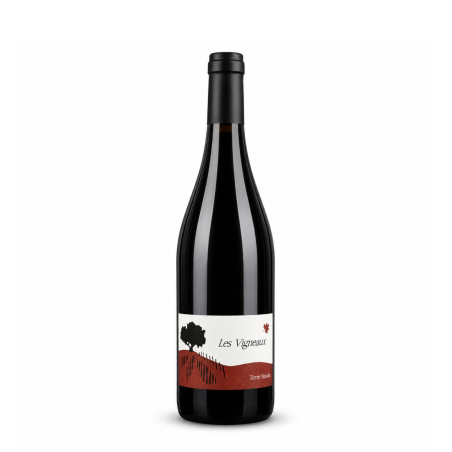
France remains an essential point of reference for anyone who loves red wine, offering within a single country a range of styles that elsewhere would take an entire continent to match. Bordeaux, Burgundy, and the Rhône Valley together hold much of the history of Western winemaking: strict regulations, centuries-old estates, and a relationship with the land that has set the standard worldwide. In this selection, built for both seasoned lovers of these wines and those discovering them for the first time, you'll find labels that speak of their terroir with precision, from the structured blend of the Médoc to the subtle elegance of Burgundian Pinot Noir.
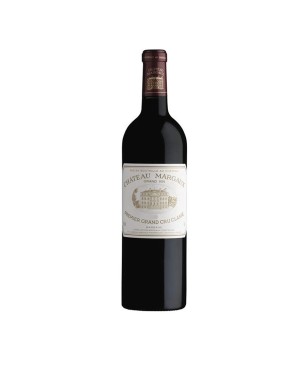
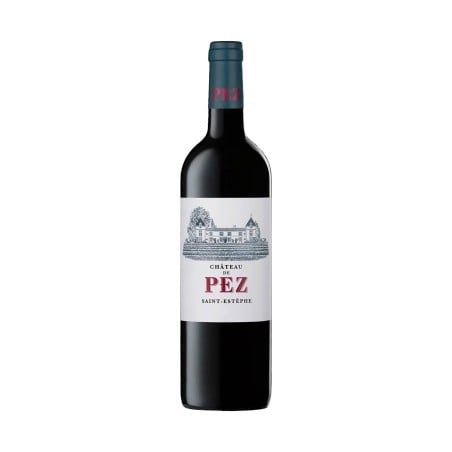
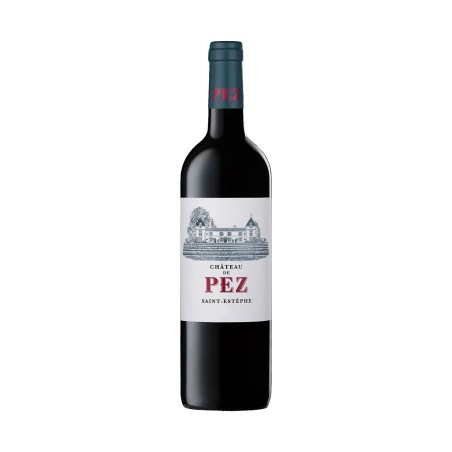
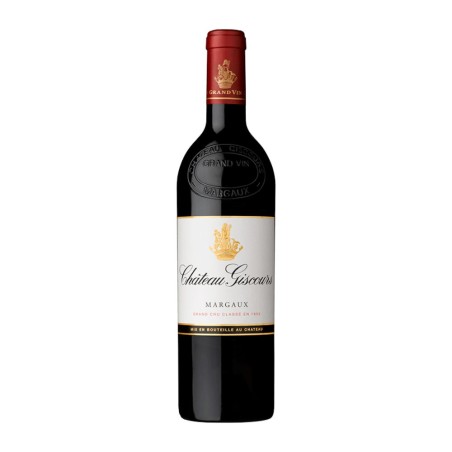
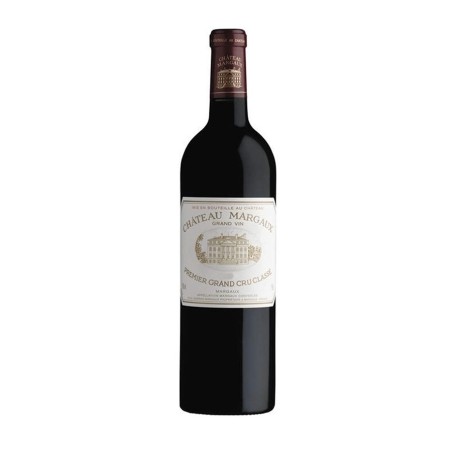
Bordeaux, in southwestern France, builds its identity on blending: Cabernet Sauvignon, Merlot, Cabernet Franc, and, in smaller proportions, Petit Verdot and Malbec. On the Left Bank of the Garonne, in the Médoc, Cabernet Sauvignon dominates, giving rise to tannic, long-lived wines; on the Right Bank, between Saint-Émilion and Pomerol, Merlot takes the lead, producing softer, more enveloping wines.
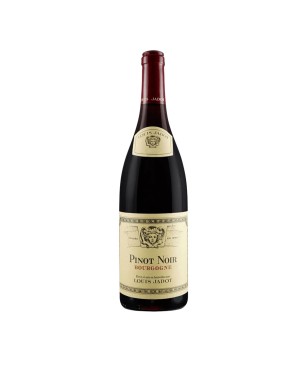
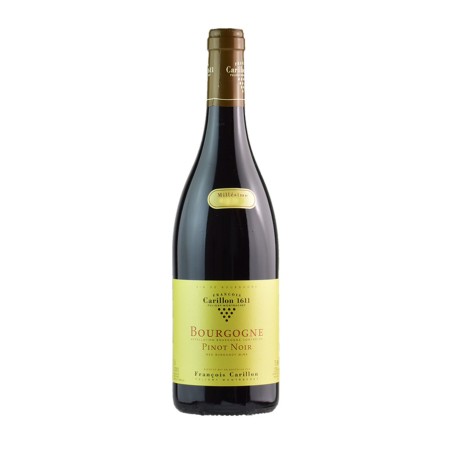
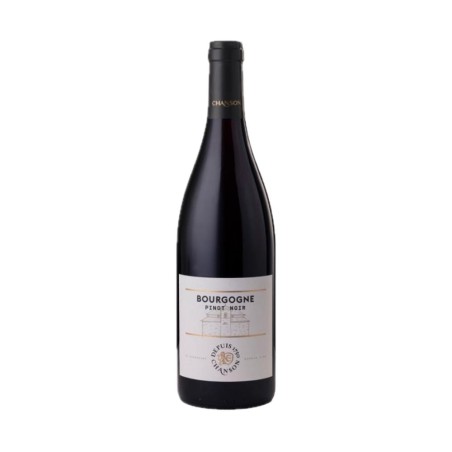
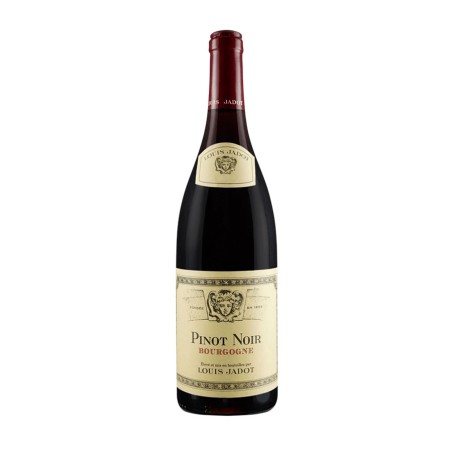
In Burgundy the rule changes entirely: here there is almost always just one red grape, Pinot Noir, grown along the Côte de Nuits and the Côte de Beaune with an almost obsessive attention to each individual plot, as shown by the labels of historic houses such as Louis Jadot. Beaujolais deserves a mention of its own: although administratively part of Burgundy, it expresses a different spirit through Gamay, yielding fresher, more immediate wines.
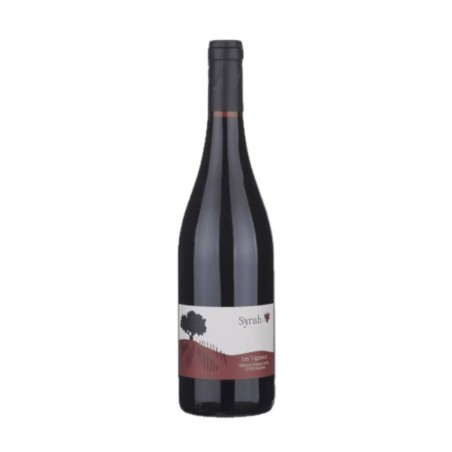
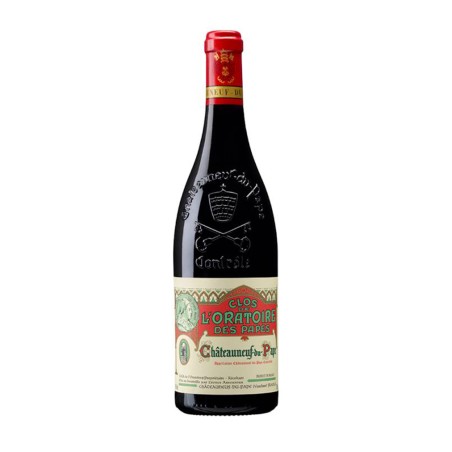
In the Rhône Valley, finally, two worlds coexist: the Northern Rhône, where pure Syrah produces elegant, vertical wines, and the Southern Rhône, where Grenache, Syrah, and Mourvèdre come together in generous blends such as Châteauneuf-du-Pape, whose regulations allow for up to thirteen grape varieties. A territory where producers such as Ogier interpret local tradition with rigor.
The richness of this selection is also measured in the variety of styles on offer. There are fresh, immediate reds meant to be opened without delay, such as Beaujolais Gamay or a young Burgundian Pinot Noir, with crisp fruit and gentle tannins. Then there are wines of more marked structure, able to age in bottle for years: the great Left Bank Bordeaux, with their dense tannic weave, or the finest crus of the Côte d'Or. Somewhere in between sit the reds of the southern Rhône, warm and spicy, where ripe fruit meets notes of black pepper and Mediterranean scrubland.
The more structured Bordeaux wines find their natural companion in roasted red meats, lamb, and aged cheeses, which can stand up to the tannin without being overwhelmed by it. Burgundy's Pinot Noirs, more elegant and savory, shine alongside game, poultry, and mushroom dishes, while a lightly chilled Beaujolais pairs happily with charcuterie and everyday cooking. The reds of the southern Rhône, with their warm spice, work well with braises, stews, and Mediterranean cuisine in general.
If you're looking for a wine to open right away, among friends, a Beaujolais Gamay or a young Pinot Noir from the Côte de Beaune suits any convivial table. For a more important dinner, where red meat takes center stage, a Left Bank Bordeaux offers the structure to carry the whole meal. Anyone seeking elegance and depth without giving up drinkability can look to a cru from the Côte de Nuits, while those who love warm, spicy wines will find their label in the southern Rhône.
Bordeaux builds its wines through the blending of several grape varieties, mainly Cabernet Sauvignon and Merlot, while Burgundy almost always produces single-varietal wines from Pinot Noir. These are two opposite philosophies: the complexity of a blend versus the transparency of a single grape.
Administratively, yes: Beaujolais sits at the southern tip of Burgundy, but from a winemaking point of view it follows its own path. The grape is Gamay, not Pinot Noir, and the resulting style is fresher, fruitier, and ready to drink sooner.
AOC, Appellation d'Origine Contrôlée, means the wine follows a precise set of rules covering production area, permitted grape varieties, and winemaking techniques. It's the system that, in France, guarantees the link between a wine and its territory of origin.
Yes, especially those from the southern Rhône, where Grenache, Syrah, and Mourvèdre create warm, spicy, full-bodied wines. The northern Rhône, based purely on Syrah, instead offers more vertical, elegant versions.






![Pomerol AOC Chateau Petrus 2020 - Chateau Petrus [Cassa di legno]](https://etilika.com/20319-home_default/pomerol-aoc-chateau-petrus-2020-chateau-petrus-cassa-di-legno-.jpg)
![Pomerol AOC Chateau Petrus 2020 - Chateau Petrus [Cassa di legno]](https://etilika.com/20319-medium_default/pomerol-aoc-chateau-petrus-2020-chateau-petrus-cassa-di-legno-.jpg)

![Pomerol AOC Chateau Petrus 2019 - Chateau Petrus [Cassa di legno]](https://etilika.com/19457-medium_default/pomerol-aoc-chateau-petrus-2019-chateau-petrus-cassa-di-legno-.jpg)
