





![Malvasia delle Lipari DOC 2021 - Hauner [0.50 lt]](https://etilika.com/20751-medium_default/malvasia-delle-lipari-doc-2021-hauner-050-lt-.jpg)
![Malvasia delle Lipari DOC 2021 - Hauner [0.50 lt]](https://etilika.com/20751-home_default/malvasia-delle-lipari-doc-2021-hauner-050-lt-.jpg)
- On sale!
Delivery in 48/96 hours throughout Europe - Starting from €9.90
89 products
![Muffato della Sala Umbria IGT Castello della Sala 2020 - Antinori [0.50 lt]](https://etilika.com/20724-home_default/muffato-della-sala-umbria-igt-castello-della-sala-2020-antinori-050-lt-.jpg)
![Muffato della Sala Umbria IGT Castello della Sala 2020 - Antinori [0.50 lt]](https://etilika.com/20723-home_default/muffato-della-sala-umbria-igt-castello-della-sala-2020-antinori-050-lt-.jpg)
![Passito di Pantelleria DOC Nes 2022 - Pellegrino [0.50 lt]](https://etilika.com/20506-home_default/passito-di-pantelleria-doc-nes-2022-pellegrino-050-lt-.jpg)
![Passito di Pantelleria DOC Giardino Pantesco 2022 - Pellegrino [0.50 lt]](https://etilika.com/20505-home_default/passito-di-pantelleria-doc-giardino-pantesco-2022-pellegrino-050-lt-.jpg)
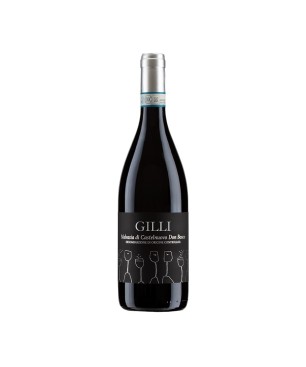
![Passito Moscato di Sardegna DOC Nuali 2021 - Siddùra [0.375 lt]](https://etilika.com/20295-home_default/passito-moscato-di-sardegna-doc-nuali-2021-siddura-0375-lt-.jpg)
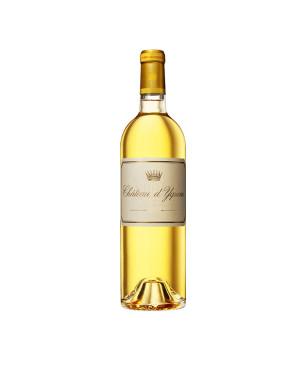
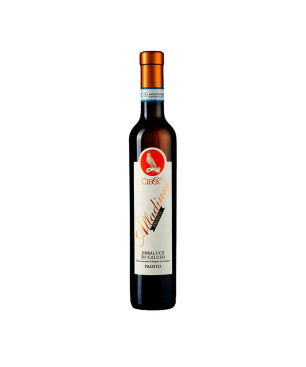
![Passito di Pantelleria DOC Ben Ryè 2021 - Donnafugata [0.375 lt]](https://etilika.com/19152-home_default/passito-di-pantelleria-doc-ben-rye-2021-donnafugata-0375-lt-.jpg)


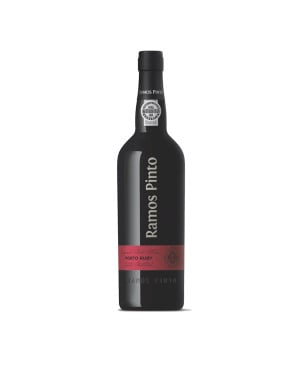
![Zibibbo Terre Sicliane IGT Morsi di Luce - Florio [0.50 lt]](https://etilika.com/15400-home_default/zibibbo-terre-siciliane-igt-morsi-di-luce-florio-050-lt.jpg)
![Moscato Rosa Alto Adige DOC Praepositus 2020 - Abbazia di Novacella [0.375 lt]](https://etilika.com/14227-home_default/moscato-rosa-alto-adige-doc-praepositus-2018-abbazia-di-novacella-0375-lt.jpg)

![Recioto della Valpolicella Classico DOC 2007 - Quintarelli [0,375lt]](https://etilika.com/11200-home_default/recioto-della-valpolicella-classico-doc-2007-quintarelli-0375lt-.jpg)

A beautifully made sweet wine is never defined by sweetness alone. Its balance comes from the dialogue between sugar, freshness, aromatic intensity and, in some cases, structure and alcohol. In the glass, it may suggest flowers, honey, apricot, candied citrus, dried fruit or spices, yet every bottle retains the imprint of its grape variety and region. Some wines are light, fragrant and lively; others offer profound texture and invite quiet contemplation. This is a broad family connected to different production traditions and to the pleasure of allowing a tasting to unfold at a slower pace.
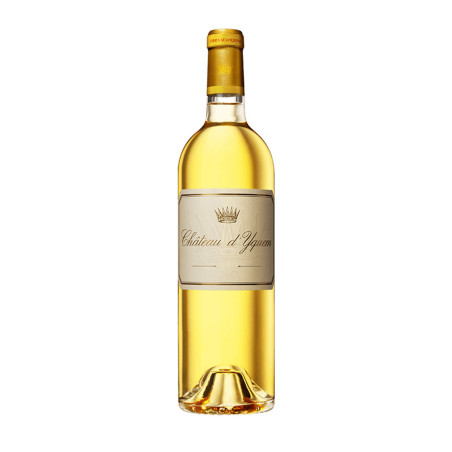
Sweetness comes from grape sugars remaining in the wine after partial fermentation. To increase their natural concentration, grapes may ripen for longer on the vine or be allowed to dry, losing water while concentrating sugars and aromas. Under particular conditions, noble rot encourages further concentration and creates distinctive fragrances. Fortified wines follow a different path: alcohol of vinous origin is added during or after fermentation to create a typically warmer, more structured style. Passito, late-harvest, botrytised and fortified wines are therefore not interchangeable terms. Each describes a different method and a particular expression of sweetness.
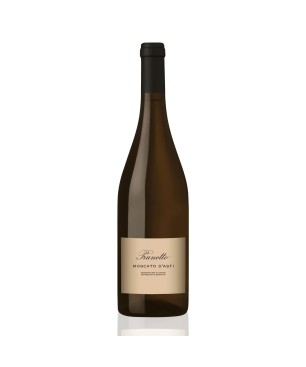
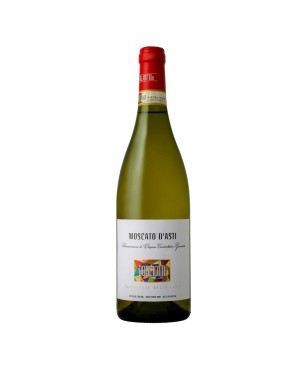
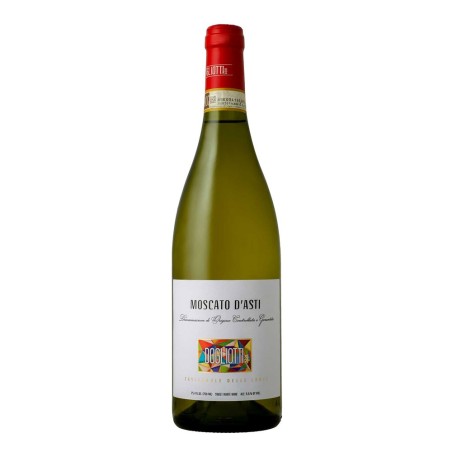
Piedmont is home to Moscato d’Asti and Brachetto d’Acqui, aromatic and often lively wines that combine sweetness with a light touch. In Veneto, Recioto della Valpolicella interprets Corvina and other local grapes through drying, while Torcolato expresses the tradition of Vespaiola. Tuscany preserves many styles of Vin Santo, and Umbria reveals the power of Sagrantino in its passito version. In the Mediterranean, Zibibbo and Malvasia produce Passito di Pantelleria and Malvasia delle Lipari, rich in sunshine, aromatic herbs and ripe fruit.
Sicily also offers Marsala, a fortified wine with many expressions, while Puglia, Sardinia, Lazio and Alto Adige extend the journey through Moscato, passito and late-harvest wines. Beyond Italy, Port and Sauternes represent two distinct worlds: the first belongs to the family of fortified wines, while the second is closely associated with noble rot. Red, white, still, semi-sparkling or sparkling, colour alone cannot describe the variety within this category.
With dessert, choose a wine at least as sweet as the food. Moscato d’Asti and sweet sparkling wines accompany fruit tarts, sponge cakes and enriched pastries, while Brachetto and other sweet reds pair with strawberries, berries and chocolate desserts that are not excessively bitter. White passito wines and Vin Santo enhance biscuits, dry pastries, almonds and creamy desserts. More intense styles can offer an intriguing contrast with blue or mature cheeses, pâté and savoury preparations. Port, Marsala and other fortified wines can also be enjoyed after dinner, either alone or with dried fruit and chocolate.
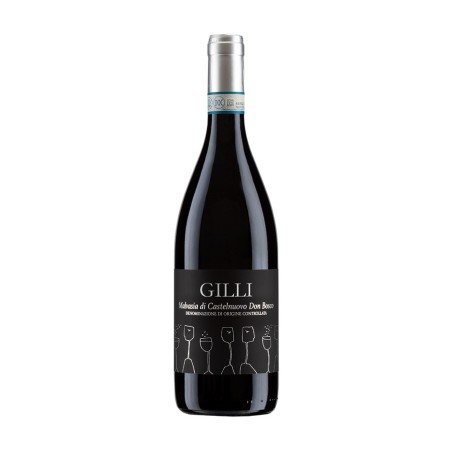
A delicate dessert calls for freshness, floral fragrance and an agile expression of sweetness. Chocolate, dried fruit and mature cheeses need greater intensity, structure and persistence. Those who enjoy bright, aromatic wines can begin with Moscato, while anyone seeking texture and complexity will find a deeper journey among passito wines. Sweet reds combine fruit with a gentle tannic presence, whereas fortified styles add warmth and often more developed aromas. The occasion also provides direction: sweet bubbles bring a festive mood, a small meditation bottle suits a leisurely conversation, and a mature vintage can become the centre of the tasting.
“Sweet wine” is a broad category. Passito is made from grapes that have undergone drying, a process that reduces the water in the berries and concentrates sugars, aromas and other components.
No. They can accompany blue or mature cheeses, pâté and savoury dishes, or be enjoyed on their own. Balance between sweetness and the intensity of the food remains the main guide.
White, aromatic and lively sweet wines are best served cool, but not ice-cold. Red, fortified or particularly structured styles can be served slightly warmer to allow their aromas to emerge.
Some can. Sugar concentration, freshness, structure and production method may support a long evolution. Not every bottle has the same potential, however, so the individual style and vintage should always be considered.


![Muffato della Sala Umbria IGT Castello della Sala 2020 - Antinori [0.50 lt]](https://etilika.com/20724-medium_default/muffato-della-sala-umbria-igt-castello-della-sala-2020-antinori-050-lt-.jpg)
![Muffato della Sala Umbria IGT Castello della Sala 2020 - Antinori [0.50 lt]](https://etilika.com/20723-medium_default/muffato-della-sala-umbria-igt-castello-della-sala-2020-antinori-050-lt-.jpg)

![Passito di Pantelleria DOC Nes 2022 - Pellegrino [0.50 lt]](https://etilika.com/20506-medium_default/passito-di-pantelleria-doc-nes-2022-pellegrino-050-lt-.jpg)
![Passito di Pantelleria DOC Giardino Pantesco 2022 - Pellegrino [0.50 lt]](https://etilika.com/20505-medium_default/passito-di-pantelleria-doc-giardino-pantesco-2022-pellegrino-050-lt-.jpg)

![Passito Moscato di Sardegna DOC Nuali 2021 - Siddùra [0.375 lt]](https://etilika.com/20295-medium_default/passito-moscato-di-sardegna-doc-nuali-2021-siddura-0375-lt-.jpg)
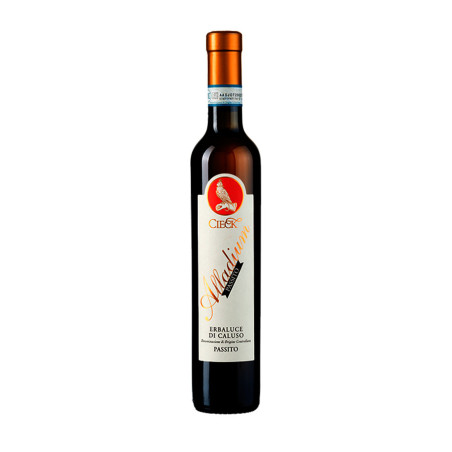
![Passito di Pantelleria DOC Ben Ryè 2021 - Donnafugata [0.375 lt]](https://etilika.com/19152-medium_default/passito-di-pantelleria-doc-ben-rye-2021-donnafugata-0375-lt-.jpg)


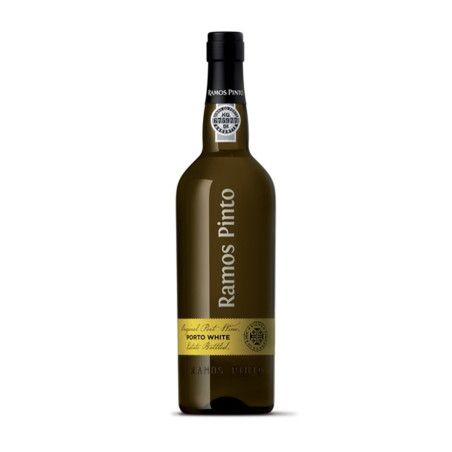
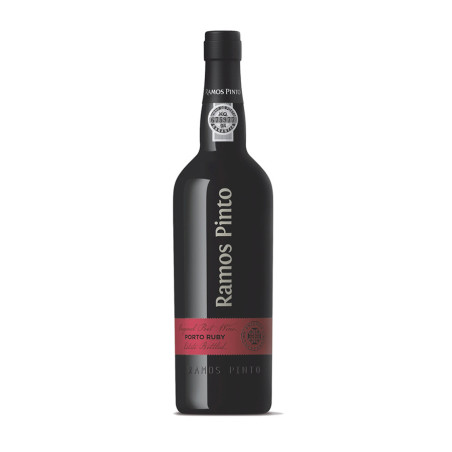
![Zibibbo Terre Sicliane IGT Morsi di Luce - Florio [0.50 lt]](https://etilika.com/15400-medium_default/zibibbo-terre-siciliane-igt-morsi-di-luce-florio-050-lt.jpg)
![Moscato Rosa Alto Adige DOC Praepositus 2020 - Abbazia di Novacella [0.375 lt]](https://etilika.com/14227-medium_default/moscato-rosa-alto-adige-doc-praepositus-2018-abbazia-di-novacella-0375-lt.jpg)


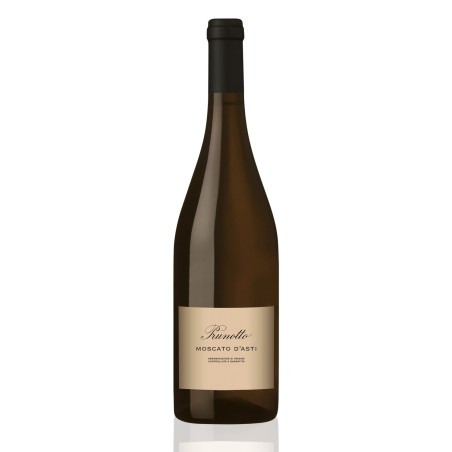

![Recioto della Valpolicella Classico DOC 2007 - Quintarelli [0,375lt]](https://etilika.com/11200-medium_default/recioto-della-valpolicella-classico-doc-2007-quintarelli-0375lt-.jpg)
