- New
- On sale!
Delivery in 48/96 hours throughout Europe - Starting from €9.90
400 products



![Barolo Ravera DOCG 2019 - Elvio Cogno [Box 6 bottles]](https://etilika.com/25197-home_default/barolo-ravera-docg-2019-elvio-cogno-box-6-bottles-.jpg)

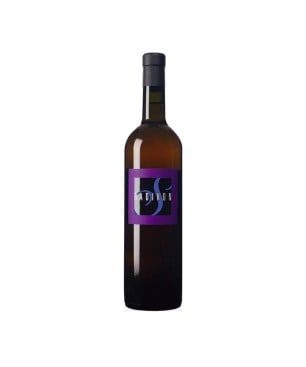
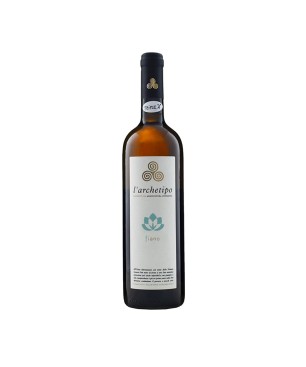
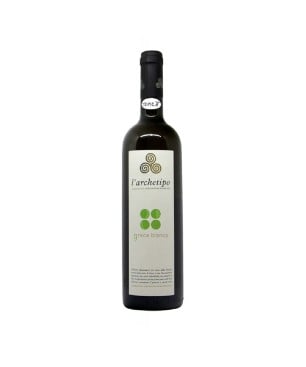
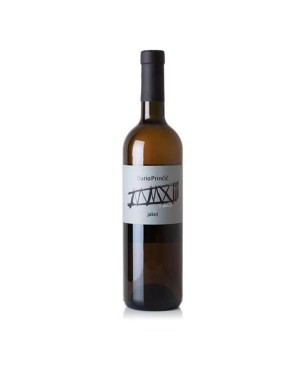

An artisan wine begins with a close relationship between the producer, the vineyard and the cellar. Decisions do not necessarily follow one shared formula: each winegrower interprets the vintage, grape and place through experience, sensitivity and craftsmanship. In the glass, this approach may result in immediate, fragrant wines or profound, complex bottles capable of developing over many years. The category therefore embraces remarkably different expressions, connected by the value of a personal signature and a desire to communicate a place without erasing its nuances.
“Artisan wine” is neither an appellation nor an oenological certification established by one universal standard. It is a selection criterion that places independent producers, small wineries and estates with a direct, personal approach to agricultural and cellar decisions at the centre. Close knowledge of individual parcels, the recovery of local grapes, careful work and direct oversight of the different production stages may all contribute to this identity.
Artisan does not necessarily mean natural, organic, biodynamic, unfiltered or made without added sulphites. Some bottles possess one or more of these characteristics, while others follow different approaches. Nor does artisan mean simple or rustic. The category can include everyday wines, historic appellations, refermented styles, orange wines and important reds intended for maturation. The individual product description provides the clearest information about philosophy, method and certification.
In Piedmont, Nebbiolo, Barbera, Dolcetto and Timorasso express the Langhe and Tortona hills in interpretations ranging from immediate freshness to extended development. Lombardy and Veneto combine sparkling wines, mountain reds, Valpolicella and refermented styles. In Trentino-Alto Adige and Friuli Venezia Giulia, Teroldego, Nosiola, Ribolla Gialla and Vitovska meet steel, wood, concrete, amphorae or skin contact according to each winery’s vision.
Tuscany and Umbria highlight Sangiovese, Ciliegiolo, Sagrantino and white varieties, while Marche and Abruzzo interpret Verdicchio, Pecorino, Trebbiano and Montepulciano. Lazio, Campania and Molise return attention to Cesanese, Bellone, Fiano, Aglianico and Tintilia. In Sicily and Sardinia, Nerello Mascalese, Frappato, Grecanico, Catarratto, Cannonau and Vermentino express Mediterranean and island landscapes. The selection consequently includes taut or skin-contact whites, agile or structured reds, gastronomic rosés, sparkling wines and sweet styles.
When bringing an artisan wine to the table, begin with its individual style rather than the category alone. Fresh, savoury whites accompany vegetables, fish, fresh cheeses and herb-led pasta. Skin-contact or more structured whites work with mushrooms, pulses, white meats and spiced cuisine. Sparkling and refermented wines are convivial partners for fried dishes, pizza, cured meats and savoury pies. Rosés and light reds complement soups, tomato-based pasta and delicate meats. Barolo, Brunello, Aglianico and other age-worthy reds support roasts, braised dishes, game and mature cheeses, while sweet wines meet pastries and blue cheeses.
The producer is often the most fascinating starting point. Discovering the estate’s region, history and decisions helps reveal what may be found in the glass. Those seeking immediacy can consider young whites, rosés, refermented wines and gently extracted reds. For greater complexity, explore skin contact, maturation in amphora or wood and important appellations with ageing potential. The product description helps confirm the grape, winemaking, certifications, possible sediment and serving advice. There is no single artisan taste: choosing becomes an encounter between personal curiosity and the winery’s identity.
It generally describes wine connected to a direct and personal scale of production. There is, however, no single oenological certification establishing one definition for every bottle.
No. They may be when specifically declared or certified, but artisan, natural and organic describe different aspects and are not interchangeable terms.
Small size is common but does not define the category alone. A direct relationship with vineyard and cellar, production identity and the selection criteria also matter.
No. Sediment depends on filtration, maturation and production method. Many artisan wines are perfectly clear, while others may show a natural haze.










![Barolo Ravera DOCG 2019 - Elvio Cogno [Box 6 bottles]](https://etilika.com/25197-medium_default/barolo-ravera-docg-2019-elvio-cogno-box-6-bottles-.jpg)